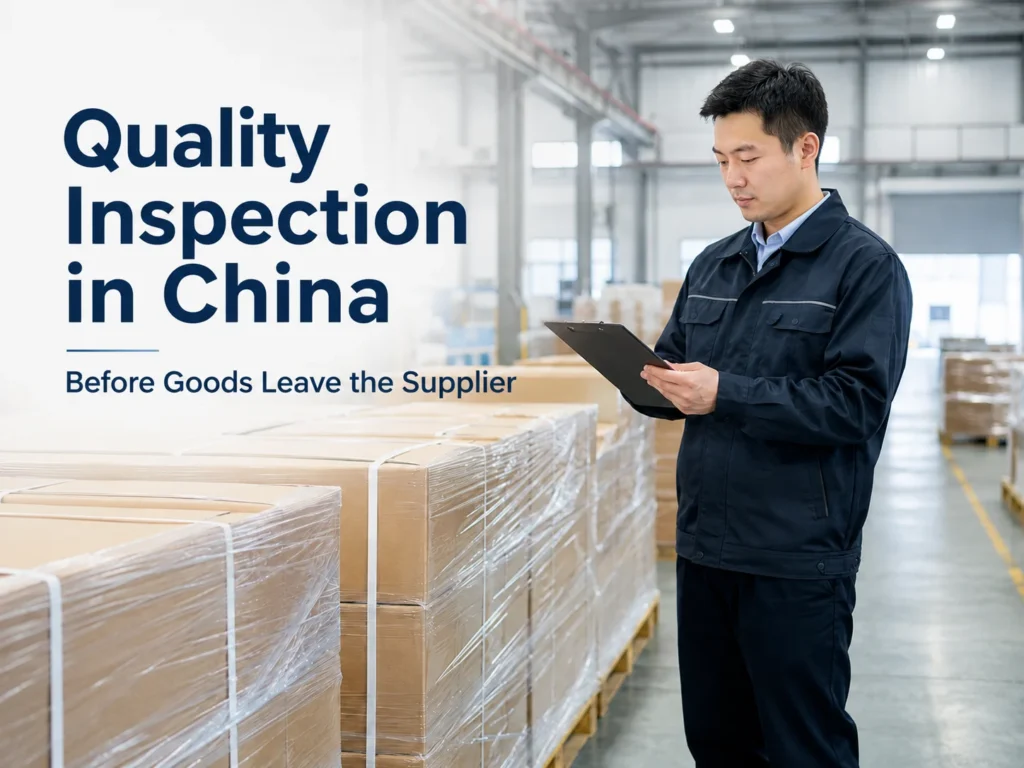
Quality Inspection in China Before Goods Leave the Supplier
Inspection is the last practical chance to see finished goods before shipment. We help buyers set the check scope, confirm inspection readiness, review visible product and packing issues, and separate supplier correction from buyer release decisions.
Finished and mostly packed
Quantity, defects, function
Labels, cartons, accessories
Release, rework, reinspect or hold
Inspection Plan
A useful inspection starts before the inspector reaches the factory
Pre-shipment inspection works best when the buyer’s reference is already clear. The inspector needs the confirmed model, sample notes, order quantity, packing requirement, label artwork, accessory list, test points and any known supplier problem. Without those references, the visit becomes a general look at goods instead of a focused check against the buyer’s order.
We prepare the inspection around visible and agreed points. The check may cover quantity, workmanship, basic function, packaging, carton marks, labels, spare parts, instruction sheets and photos of defects. It does not replace laboratory testing, full engineering validation or a guarantee that every hidden component in every unit is correct.
- Reference file. Collect order, sample photos, specification, packing file, artwork, inspection points and buyer concerns.
- Factory readiness. Confirm inspection address, contact person, finished quantity, packing status and goods access before booking.
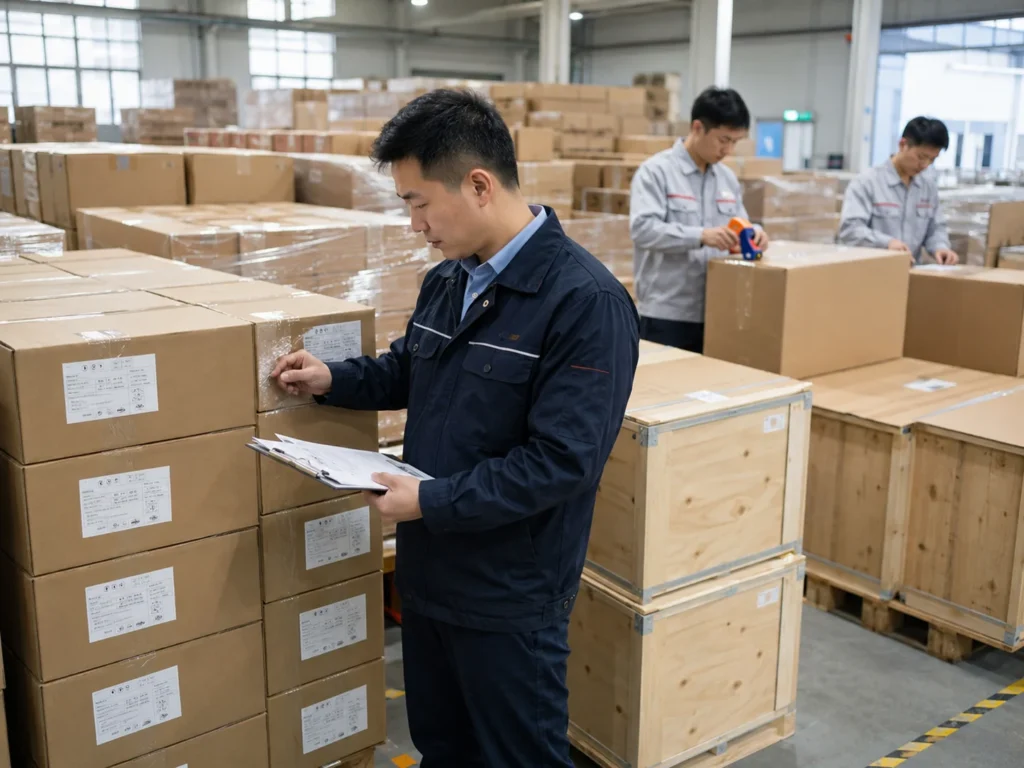
- On-site check. Review sampled goods, visible defects, key measurements, simple function, packing and carton marks according to scope.
- Decision notes. Sort findings into supplier correction, reinspect, accept with conditions, release or hold for buyer review.
Common Findings
Small inspection findings often point to larger shipment questions
A missing manual may be a packing mistake. It may also mean the supplier never received the final language file. A scratched panel may be one handling issue, or it may show that protective film was removed too early. A wrong carton mark may be easy to correct, but if goods are already sealed on pallets, correction takes time.
We treat inspection findings as decision signals. The buyer needs to know whether the issue can be corrected, whether corrected goods need another check, whether shipment timing changes and whether the buyer is willing to accept a limited problem with a written condition.
Findings worth separating
- Wrong model, finish, color or size against accepted reference
- Missing keys, screws, hoses, cables, spare parts or manuals
- Scratches, dents, stains, loose parts or poor assembly
- Failed basic function, leakage, weak fitting or test video mismatch
- Barcode, carton mark, warning label or voltage label error
- Short quantity, mixed cartons, weak export packing or unclear pallet plan
Product Examples
Inspection points change by product category
The same word, such as “checked,” is not enough. A faucet inspection may focus on finish, leakage and accessories. A machine inspection may need a trial run with the buyer’s material. A lock inspection may fail because the lock body does not match the approved sample even if the front panel looks correct.
Panel finish, lock body, keys, screws, app or card function, battery cover, language, manual, door thickness reference and packing set.
Body finish, cartridge mark if specified, handle movement, leakage check, hose set, aerator, mounting kit, logo, inner box and carton marks.
Machine nameplate, voltage, electrical cabinet, guarded areas, trial run, spare parts, manual, test material result, crate packing and loading marks.
Color consistency, surface finish, hinge or hole position, logo, mixed color count, card packing, bagging and carton grouping.
Plug type, label, simple power test, shell condition, cable, switch response, packaging, warning marks and certificate model match.
Main structure parts, hardware bags, coating, edge finish, installation labels, packing volume, part count and container grouping.
Limits of Inspection
A shipment inspection reduces risk, but it does not make hidden problems disappear
A pre-shipment inspection can catch many visible issues before goods leave China. It cannot test every unit, open every hidden component, prove long-term durability, replace a certified laboratory test or confirm every supplier claim about materials. If the buyer needs chemical testing, electrical safety certification, load testing or a formal factory quality system review, that should be arranged separately.
This boundary matters. Clear limits make the inspection more useful because the buyer knows what the result can support and what still needs another method of checking.
- Sampling is limited. Unless the buyer asks for a full check, only part of the order is inspected.
- Hidden parts stay hidden. Internal components may need teardown, lab work, supplier documents or engineering review.
- Performance is scope-based. A simple function test is not the same as full product validation or long-term use testing.
- Release is the buyer’s decision. Inspection findings support the decision; they do not remove commercial judgement.
 Visible checks and photo records are useful, but they are not the same as laboratory evidence.
After the Report
Inspection findings need a decision path, not just a file attachment
The report is only useful if the buyer can act on it. When the inspector records a problem, the next step may be supplier correction, additional photos, reinspection, price discussion, shipment delay or acceptance with written conditions. The right path depends on defect type, quantity affected, delivery pressure and the buyer’s market risk.
Correct
The supplier fixes labels, cartons, missing accessories, packing method, visible defects or other issues that can still be changed.
Reinspect
The buyer asks for another check when the correction affects many units, safety points, packing or the release decision.
Accept with condition
The buyer may accept a limited issue with written agreement, supplier compensation, added spare parts or a reorder correction note.
Hold shipment
The buyer can stop release when findings affect model, function, quantity, safety label, market requirement or trust in correction.
Inspection Records
A buyer should be able to trace what was checked and what was not checked
Inspection notes need enough detail for later decisions. If the buyer disputes a shipment, asks the supplier to correct goods or wants to improve the next order, the record should show what reference was used, which cartons were checked, which photos were taken and which issue remained open.
Order reference, product model, sample notes, photos, packing file, buyer concerns and agreed test points.
Finished goods, packed goods, carton count, sample size, mixed models, short quantity or goods not ready for full check.
Defect description, photos, quantity affected, severity notes, repeated issue or supplier explanation if available.
Inner packing, carton marks, barcode, label, manual, spare parts, pallet, crate and visible export packing concerns.
Recommended follow-up questions, supplier correction request, reinspection need and buyer release choice still required.
FAQ
Questions buyers ask about quality inspection in China
When should a pre-shipment inspection be booked?
Book it when the supplier can confirm finished quantity, packing status, inspection address and access to goods. Many buyers inspect when production is finished and most goods are packed, but before final loading.
Can inspection guarantee perfect quality?
No. Inspection can reduce risk by checking sampled goods and visible issues within the agreed scope. It cannot prove every hidden component, every unit or long-term performance.
What information do you need before inspection?
Useful information includes order details, model, quantity, sample photos, specification, packing file, label artwork, certificate concerns, previous defect history and the buyer’s release standard.
What happens if the inspection fails?
We record the findings, ask the supplier for correction or explanation, and help the buyer choose rework, reinspection, acceptance with condition or shipment hold.
Can you inspect products from a supplier I already chose?
Yes, if the supplier allows inspection and the order reference is clear enough. We still need contact details, factory address, order file, product notes and packing requirements.
Is inspection the same as a factory audit?
No. Inspection checks finished or near-finished goods. A factory audit looks deeper at workshop conditions, equipment, quality process, warehouse, testing area and management records.
Send the shipment you need checked