Shape, dimensions, weight, surface, fragility, temperature and variation.
Machine selection, supplier checks and trial coordination
Packaging Machinery Sourcing in China Based on the Product Being Packed
We help buyers turn products, materials, speed targets and factory limits into a clearer machine inquiry and recorded trial.
Direct answer
How do you source packaging machinery from China?
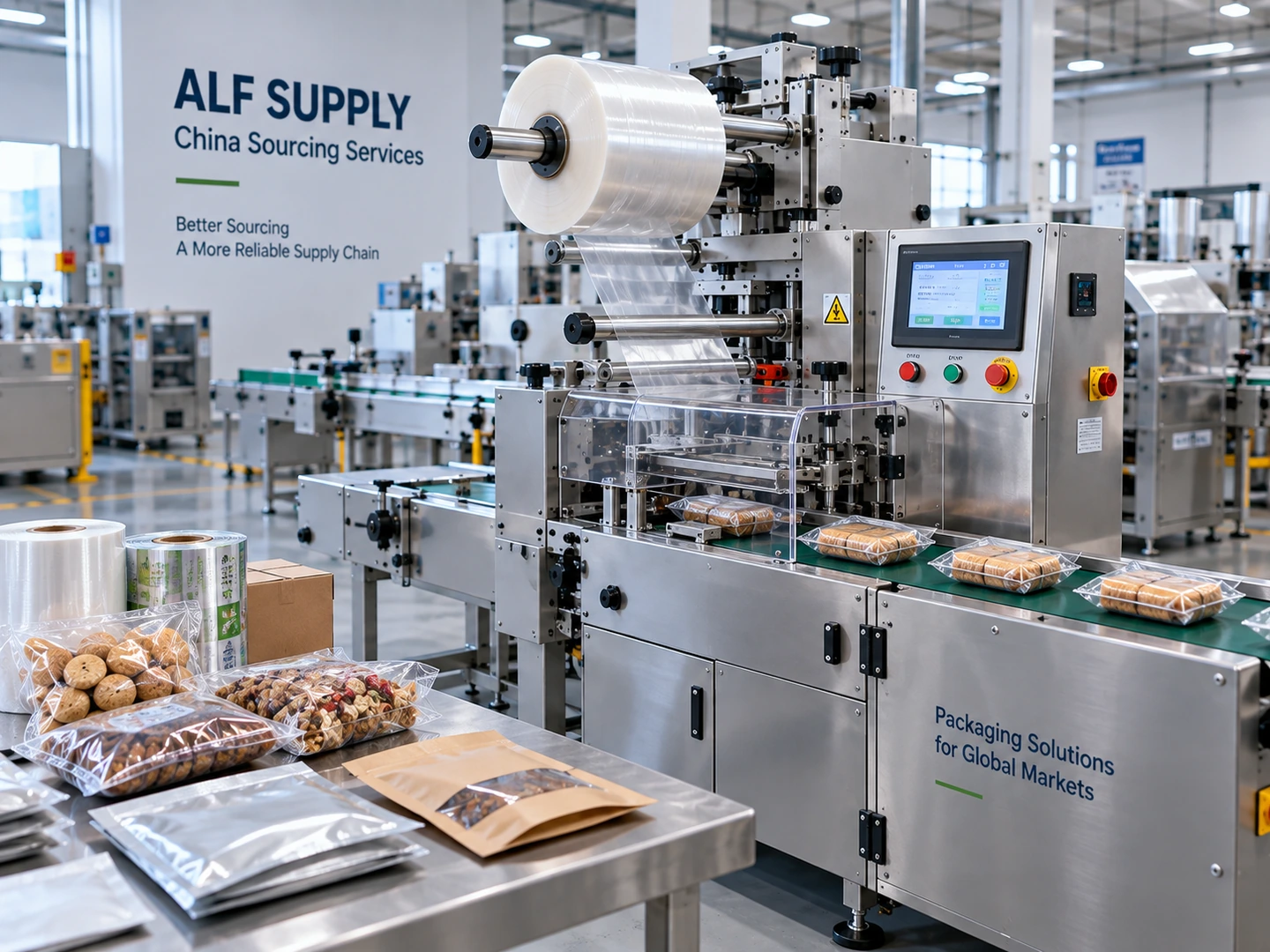
Start with the actual product, size and weight range, packaging material, pack format, target output, power supply, available floor space and upstream or downstream equipment. Suppliers should quote against the same job, not only a machine name. Ask for a trial using representative products and materials, record the setup and output, and list unresolved points before approval. Factory capability, component choices, manuals, spare parts, installation and after-sales arrangements also affect the decision. A successful short trial does not prove every long-term production condition.
Project inputs
The packing job comes before the machine model
A supplier cannot select reliably from “food packing machine” or “carton sealer” alone.
Film, pouch, tray, bottle, label or carton with thickness and dimensions.
Seal, vacuum, shrink, label position, count, presentation and acceptable marks.
Target output, operator number, changeover frequency and working hours.
Voltage, frequency, air supply, floor space, line height and access limits.
Infeed, outfeed, printer, detector, conveyor, control signals and guarding.
Machine selection checklist
Give each supplier the same packing job
Complete what you know. Mark the remaining points for supplier confirmation or a trial.
- □
ProductIdentify the product, shape, weight, condition, fragility and expected variation.
- □
Packaging materialName the film, pouch, tray, bottle, label or carton. Add thickness and roll details where relevant.
- □
Dimensions and rangeGive the minimum and maximum product and finished-pack dimensions.
- □
Required outputState the target packs per minute or shift, working hours and acceptable downtime.
- □
Speed basisAsk whether the figure is a maximum or stable output. Record the product and setup used.
- □
Electrical supplyConfirm voltage, frequency, phase, available power and plug or connection needs.
- □
Compressed airConfirm required pressure, flow and connection. Mark if the site has no air supply.
- □
Trial and testingAgree the samples, materials, run time, checks, video record and acceptable pack result.
- □
Spare and change partsList included spares, wear parts, tools and parts needed for each product size.
- □
Line integrationDefine infeed, outfeed, conveyors, printers, detectors, signals and guarding.
- □
Machine configurationRecord the model, dimensions, main components, options and approved substitutions.
- □
Documents and supportConfirm drawings, manuals, parts list, program backup, installation, training and support contacts.
Trial-run evidence
Ask what was tested, not only whether the machine ran
A trial video is easier to interpret when the product, material, machine settings and duration are known. We organize the buyer’s samples, confirm the proposed test conditions and record visible results. If substitute material is used, that difference should remain open until the buyer accepts it.
Input sampleMachine setupRecorded runOpen issues
Useful records include achieved speed, reject or stoppage notes, finished-pack photographs, seal or label position, changeover steps and operator actions. Product performance testing may require separate instruments or a longer validation run.
Supplier capability
A finished machine does not show how the next order will be managed
Supplier review should look at relevant machines, engineering support, assembly, electrical work, testing space, documentation and the handling of purchased components. Clarify who writes the control program, who can revise drawings and which work is outsourced.
For customized equipment, record the proposed configuration, major component brands, change-approval process and responsible contact. Use supplier verification for identity checks and factory audit support for capability questions.
Destination-market requirements
Define the compliance path before the design is frozen
A CE mark, UL mark or ISO certificate answers a different question. None of them replaces a product-specific review of the complete machine and its intended installation.
CE and machinery requirements
The responsible economic operator must identify the legislation that applies to the complete machine. The technical file, risk assessment, instructions, declaration and conformity procedure need to match the supplied configuration. The EU Machinery Regulation 2023/1230 applies from January 2027; orders crossing that date need an agreed transition plan.
UL and local acceptance
Do not ask only whether a component is “UL.” Confirm the applicable machine and control-panel requirements with the buyer’s engineer, insurer or authority having jurisdiction. Record whether the complete machine, its panel or selected components need third-party evaluation and labeling.
ISO 9001
An ISO 9001 certificate concerns the supplier’s quality management system. Check the certified company, site, scope, issuing body and validity. It does not certify the machine or prove that the quoted configuration meets the buyer’s technical and regulatory requirements.
Buyer input is required. The destination, product contact conditions, guarding concept, electrical rules, language, food or pharmaceutical use and line integration may change the applicable requirements. Use qualified compliance specialists where approval depends on technical or legal interpretation.
Acceptance plan
FAT and SAT answer different questions
Write the test plan before the machine is complete. Each item needs a method, product and material, acceptance value, record and person authorized to close it.
Factory Acceptance Test (FAT)
The FAT takes place before shipment at the supplier or agreed test site. It can review the approved configuration, safety functions, utilities, recipes, alarms, change parts, documentation and a defined production run.
- Use identified products and packaging materials.
- State the run duration and speed basis.
- Record stops, rejects and operator actions.
- List punch items, owners and closure evidence.
Site Acceptance Test (SAT)
The SAT takes place after installation at the buyer’s site. It checks the machine with the site’s real power, air, operators, environment and connected equipment. Shipping condition and installation work also become visible.
- Verify utilities, layout and line interfaces.
- Confirm guarding and site safety actions.
- Run agreed products under site conditions.
- Record training, handover and open items.
FAT and SAT are project terms, not automatic certificates. Their value comes from an agreed scope and recorded acceptance criteria. IEC 62381 provides FAT and SAT concepts for process-industry automation, but the buyer still needs a plan suited to the actual packaging line.
Installation and commissioning
The machine purchase continues after it leaves the factory
Before arrival
Approve the layout, foundation or leveling needs, lifting route, electrical load, compressed-air demand, network access and connection points. Name the party responsible for each site preparation.
Installation
State whether the supplier sends a technician, works through a local partner or supports the buyer remotely. Record travel, visas, tools, accommodation, translation and daily rates separately.
Commissioning
Define the products, materials, recipes, line interfaces and output conditions used to bring the machine into service. Keep software changes and parameter backups under version control.
Training
Separate operator, maintenance and troubleshooting training. Confirm the language, attendance record, training material and the tasks each group must perform.
Spare parts
List commissioning spares, wear parts and recommended stock for the first operating period. Record part numbers, quantities, prices, lead times and whether alternatives are approved.
Final handover
Collect manuals, drawings, electrical diagrams, parts lists, certificates, software or recipe backups, passwords under agreed control, FAT/SAT records and unresolved punch items.
Acceptance boundaries
Convert expectations into observable checks
Specify the product, material, speed basis, run duration and acceptable finished pack.
List model, dimensions, main components, utilities, interfaces and agreed options.
Confirm manuals, drawings, spare parts, packing, labels and shipment preparation.
Pre-shipment checks can confirm agreed visible and operational points under available factory conditions. They cannot reproduce the buyer’s complete production environment or guarantee future output without proper installation, materials, operation and maintenance.
Test the packaging job before trusting a machine speed
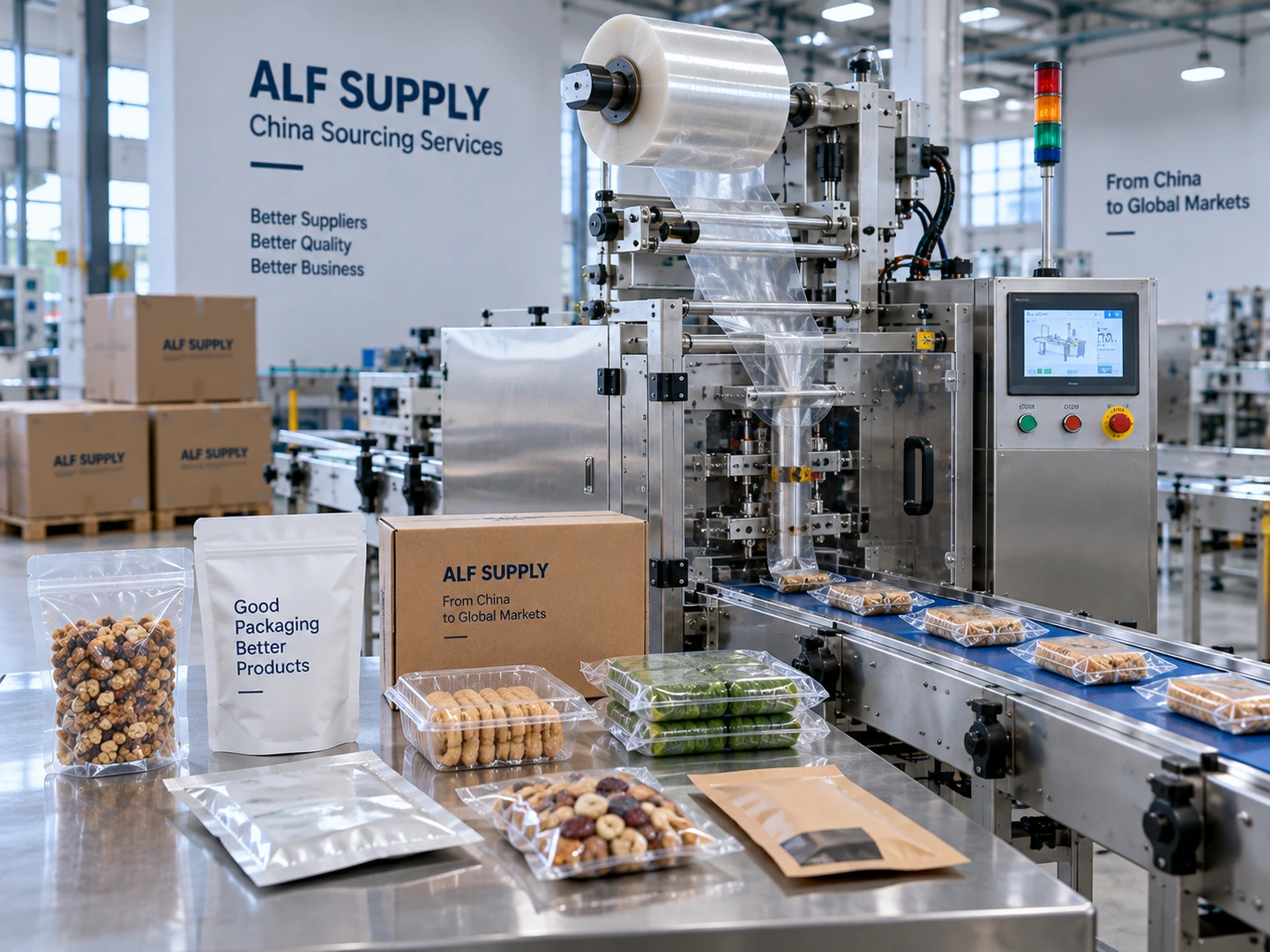
A packaging machine should be evaluated against the product, packaging material and required pack format. A quoted speed without the tested product and material can hide assumptions. Record the material, dimensions, pack size, sealing or filling conditions, target speed and what the trial actually demonstrated.
Trial record
- Actual product and packaging material
- Machine configuration and settings
- Observed speed and stable operating conditions
- Samples or video showing the test context
A successful trial answers the defined test question. It does not automatically prove long-term performance on every production shift.
Prepare a useful inquiry
Send products, packaging materials and a current line video
Include size and weight ranges, pack examples, desired output, voltage, plant layout and required delivery date. Mark which results are mandatory and which features are preferred.
ALF Supply · ALF Co., Ltd.Wenzhou, Zhejiang, Chinasale@alfsupply.com+86-130-9473-6426Submit a Sourcing Request